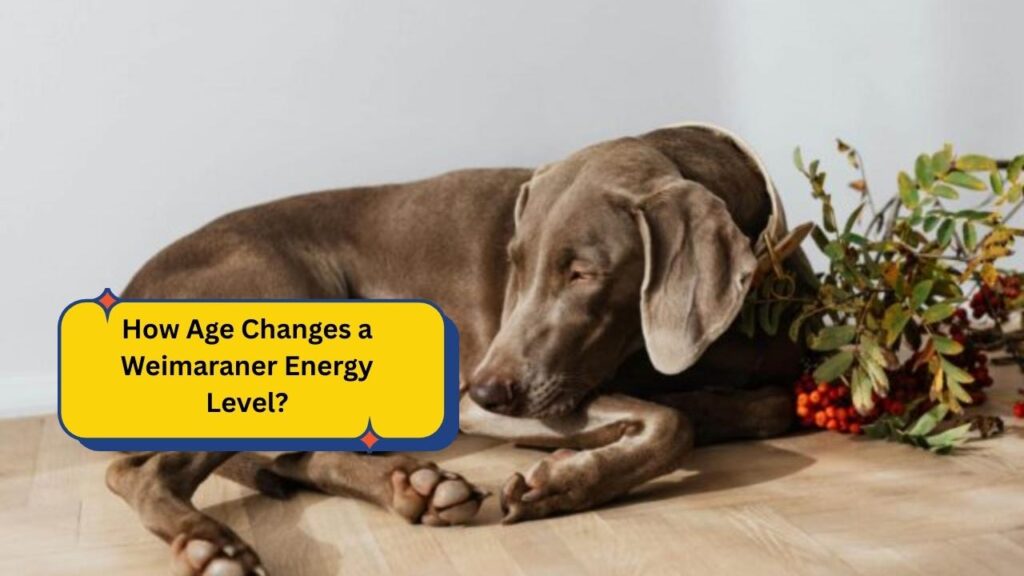

A Weimaraner is often known for its lively spirit and strong need to move. Many people first notice this breed because of its speed, alert nature, and constant interest in activity around them.
Energy is a natural part of this dog’s personality, but it does not stay exactly the same throughout life. Just like people, dogs go through stages where their bodies and habits slowly change.
These shifts can feel surprising, especially for owners who are used to a very active companion. Understanding how age affects energy helps daily life feel smoother and more predictable for everyone.
When we look at energy through each life stage, it becomes easier to adjust routines gently. Small changes in play, walks, and rest can support comfort without making life feel restricted.
How Age Changes a Weimaraner’s Energy Level
A Weimaraner’s energy level is closely linked to age, growth, and body development. Puppies, adults, and older dogs all show activity in different ways, even though the breed stays naturally alert.
These changes usually happen gradually rather than overnight. Watching patterns over time helps owners notice when their dog may need more rest, different play styles, or slower daily movement.
Learning these stages makes it easier to respond calmly. Instead of wondering why behavior shifts, owners can see these changes as a normal part of a dog’s life journey.
Puppy Stage: Energy in Short Bursts
Young Weimaraner puppies often seem full of endless motion, but their energy actually comes in short waves. They may run, jump, and explore, then suddenly stop to rest deeply.
At this stage, curiosity drives movement more than stamina. Puppies tire faster than adults because their bodies are still growing, even though their excitement makes them look constantly active.
Frequent naps are normal and important. Rest supports growth, learning, and mood balance, helping puppies recover before their next playful burst of movement around the home.
Teen Phase: Big Energy, Big Movement
As a Weimaraner enters the teen stage, energy often increases in strength and duration. This is when many owners feel their dog is at peak activity and always ready to go.
Longer walks, faster running, and more intense play are common. Muscles grow stronger, and coordination improves, allowing the dog to move with more control and confidence.
This stage can feel busy, but it is a healthy period of development. Clear routines and steady activity help guide this strong energy into positive daily habits.
Adult Years: More Balanced Activity
When Weimaraners reach full adulthood, energy often becomes more steady and predictable. They still enjoy movement, but the constant bursts seen in younger years usually soften.
Instead of nonstop action, adults often show a rhythm. They can switch between active moments and calm rest more easily, settling better after walks or play sessions.
This balance makes daily life smoother. Owners often notice their dog listens better and handles routine changes with more patience compared to the teen stage.
Signs Energy Is Maturing
As dogs grow, their energy does not disappear, but it may show differently. Observing small shifts helps owners understand natural aging rather than assuming something is wrong.
- Longer rest periods during the day
- Less interest in very fast games
- More calm behavior indoors
- Shorter bursts of running
- Preference for steady walks
These changes are gradual. Supporting them with gentle routine adjustments helps dogs stay comfortable while still enjoying movement that suits their stage of life.
Middle Age: Slower Pace Appears
During middle age, a Weimaraner may still enjoy activity but with slightly reduced intensity. Movements can become more measured, and recovery after exercise may take a bit longer.
This stage often brings a calmer personality. Dogs may choose to lie near family members instead of constantly seeking action, showing more interest in quiet companionship.
Play still matters, but shorter sessions often feel more comfortable. Steady, moderate walks usually replace long, high-speed running as the main daily activity.
Energy Shifts Over Time
Energy changes affect different parts of a dog’s daily life. These shifts happen slowly and are usually part of normal aging rather than sudden health concerns.
| Life Stage | Energy Style | Common Pattern |
|---|---|---|
| Puppy | Short, playful bursts | Frequent naps between play |
| Teen | Strong, long-lasting energy | Active most of the day |
| Adult | Balanced and steady | Clear active and rest periods |
| Middle Age | Moderate and calmer | Prefers steady, relaxed activity |
| Senior | Gentle and low-impact | More rest, slower movement |
Seeing this timeline helps owners prepare. Each stage brings its own rhythm, and adjusting expectations makes the transition feel natural.
Senior Stage: Gentle Movement
Senior Weimaraners usually slow down in visible ways. They may walk at a calmer pace, take more breaks, and show less interest in fast or rough games.
This does not mean they stop enjoying activity. Many older dogs still like daily walks and light play, but they often choose comfort over speed.
Extra rest becomes important. Quiet time helps the body recover and supports joints, muscles, and overall comfort during this later life stage.
Mental Energy Also Changes
Physical energy is only part of the picture. As Weimaraners age, their mental energy may shift too. Older dogs sometimes prefer familiar routines instead of new, busy environments.
Younger dogs often explore everything, while older ones may observe more than they chase. This calmer mindset can make daily life feel peaceful and steady.
Simple games that involve thinking rather than fast movement can still keep the mind engaged. Gentle learning and slow exploration suit this stage well.
Adapting Routines Over Time
Small adjustments in daily life help match a dog’s changing energy level. The goal is not to reduce activity completely, but to shape it in ways that feel comfortable.
- Shorter, more frequent walks
- Soft play instead of rough games
- More warm resting spots
- Gentle stretching movements
- Calm interaction time
These changes support both body and mood. Matching activity to age helps dogs stay involved in family life without feeling overworked.
Understanding the Energy Journey
A Weimaraner’s energy level naturally shifts from playful bursts in puppyhood to strong motion in youth, then toward a calmer, steady pace in later years. Each stage has its own rhythm.
By watching these changes with patience, owners can respond with small, thoughtful adjustments. This helps dogs stay comfortable, engaged, and supported throughout every phase of life.
Energy may slow, but the bond remains strong. With understanding and gentle care, each age brings a new kind of connection built on comfort, trust, and shared daily moments.