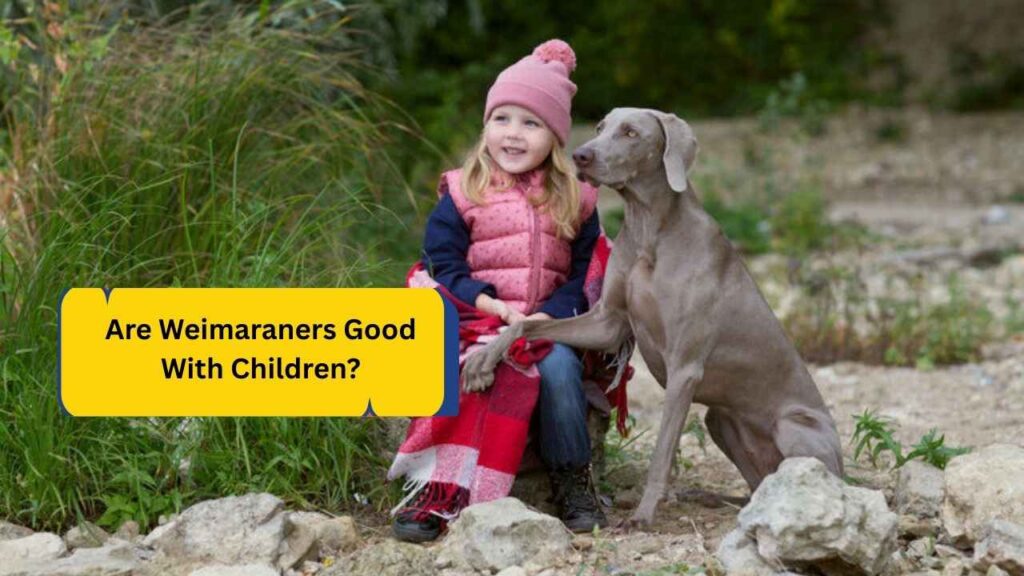

Weimaraners are known for their friendly nature, strong energy, and close bond with their families. When a dog becomes part of a home with children, people naturally wonder how well everyone will get along.
Children bring noise, movement, and changing routines, which can feel exciting but also overwhelming for some dogs. Understanding how a Weimaraner responds to this lively environment helps families prepare with calm expectations.
This breed often enjoys being around people and does not like feeling left out. Because of this, many Weimaraners naturally show interest in joining family activities, including time spent with children.
Still, every dog has its own personality, and every child has their own behavior. Looking at how energy, size, and temperament come together gives a clearer picture of daily life together.
Are Weimaraners Good With Children?
Weimaraners can do well with children when their energy and social needs are understood. They are active, people-focused dogs that often enjoy being included in family life and shared daily routines.
However, their size and excitement levels mean interactions need guidance. Calm supervision and clear habits help both the dog and children feel comfortable while learning how to behave around each other.
A Social Breed That Likes Company
Weimaraners are often described as dogs that enjoy being close to their people. They may follow family members from room to room and show interest in whatever is happening nearby.
This social nature can work well in homes with children. A dog that likes companionship may happily sit near kids during quiet time or stay involved during play.
Because they value connection, these dogs often respond well to gentle attention. Feeling included helps them stay relaxed and less likely to seek attention in unwanted ways.
Energy Levels and Active Play
One important factor is energy. Weimaraners are lively dogs, and many children also have high energy. This can lead to fun, active play when both sides understand limits.
Running games in safe outdoor spaces often suit this pairing. The dog enjoys movement, and children enjoy a playful partner that keeps up with their pace.
Still, excitement can build quickly. Calm breaks between play sessions help everyone settle and prevent games from becoming too rough or overwhelming.
Size and Strength Matter
Weimaraners are medium to large dogs with strong bodies. Even when friendly, their size means they can bump into small children by accident during excited moments.
This is usually not intentional. A happy dog wagging and turning quickly may simply forget how big it is in tight indoor spaces.
Teaching both the dog and children to stay calm indoors helps reduce these situations. Slower movements and gentle voices often lead to smoother interactions.
Helpful Habits for Safe Interaction
Good habits make a big difference in how children and dogs live together. Clear routines and gentle guidance help build trust on both sides over time.
- Teach children to approach calmly, not run toward the dog
- Show how to pet gently instead of grabbing fur
- Give the dog a quiet space where it can rest undisturbed
- Encourage play that uses toys instead of hands
- Remind children to leave the dog alone while eating
These small habits protect comfort. When both sides feel safe, daily life becomes more relaxed and enjoyable for everyone.
Patience During Learning Time
Both dogs and children are still learning how to behave. Mistakes may happen, such as a child being too loud or a dog becoming overly excited during play.
Calm guidance works better than strong reactions. Showing the right way again and again helps build understanding without fear or confusion.
Over time, many dogs and children form a steady rhythm together. Familiar routines make interactions feel natural rather than unpredictable.
What Influences Success
Many small factors shape how well a Weimaraner fits into a home with kids. Looking at these areas helps families understand where support may be needed.
| Factor | Why It Matters for Families |
|---|---|
| Daily Exercise | Helps the dog stay calm indoors |
| Supervision | Keeps play safe and balanced |
| Child’s Age | Younger kids may need closer guidance |
| Dog’s Training | Basic cues support better control |
| Quiet Rest Space | Allows the dog to relax when tired |
When these parts work together, the home often feels more peaceful. Planning ahead supports smoother daily life for both children and the dog.
Teaching Respect on Both Sides
Respect goes both ways. Dogs need to learn family rules, and children need to understand that dogs have feelings, space, and limits just like people do.
Simple lessons, like not disturbing a resting dog, help build trust. In return, the dog learns to respond calmly when children move or speak nearby.
These shared boundaries create a stable relationship. When everyone understands expectations, fewer misunderstandings happen during busy family moments.
Quiet Time Is Important Too
Play is only one part of the relationship. Quiet time helps balance energy and prevents overstimulation for both children and the dog.
Weimaraners often enjoy lying near family members during calm activities like reading or watching television. This shared rest builds comfort and connection without excitement.
Regular quiet periods also help the dog recover from active play. Rest supports mood balance and makes the next interaction smoother.
Growing Together Over Time
As children grow, their behavior becomes more predictable, and the dog also matures. This shared growth often strengthens the bond between them.
Older children may take part in gentle walks or simple care routines. These shared activities help the dog see them as trusted companions.
With time, many families find that the dog and child understand each other well. Familiar patterns replace early uncertainty, creating a steady friendship.
A Balanced View for Families
Weimaraners can be good with children when their energy, size, and social needs are understood. They often enjoy family life and may form strong bonds when guided with patience and care.
Supervision, calm habits, and regular exercise help keep interactions safe and comfortable. Teaching respect on both sides supports trust and reduces confusion during busy moments.
Every dog and child is unique, but with thoughtful routines and gentle guidance, many families find that life together feels active, warm, and full of shared experiences.