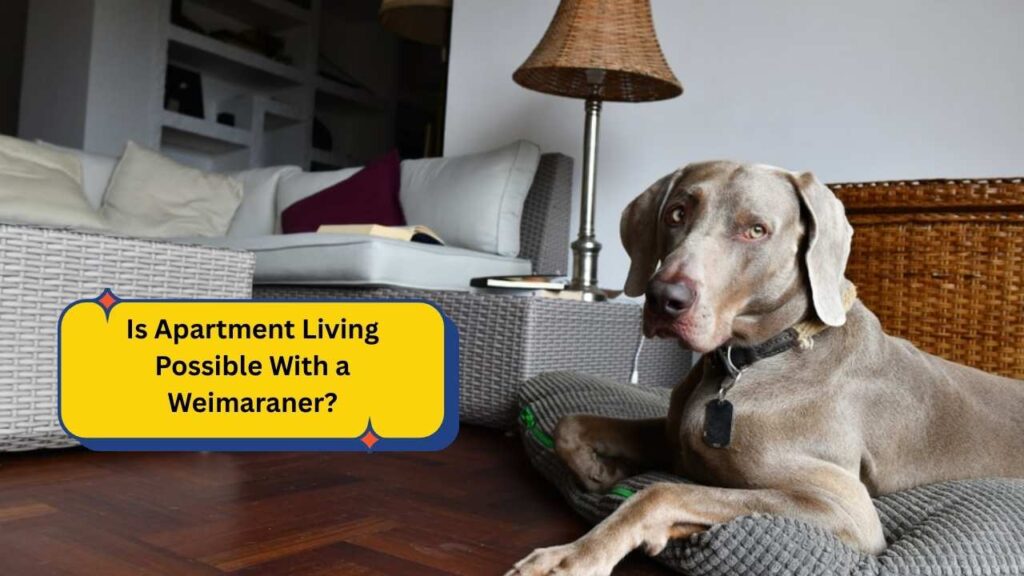

Weimaraners are often linked with open fields, long walks, and wide spaces to run. Because of this image, many people wonder if this active breed can truly feel comfortable inside an apartment home.
Apartment living usually means smaller rooms, shared walls, and limited outdoor access. These factors can seem challenging for a dog known for strong energy and a constant interest in movement.
Still, a home is more than its size. Daily routine, time spent together, and opportunities for activity often shape a dog’s comfort more than square footage alone.
Understanding how lifestyle matches a Weimaraner’s needs can help people decide calmly. With thoughtful planning, apartment life may be possible in ways that feel balanced for both dog and owner.
Is Apartment Living Possible With a Weimaraner?
A Weimaraner can live in an apartment, but success depends more on routine than space alone. This breed needs steady physical movement and mental engagement to stay settled indoors.
Without planned activity, small spaces may feel limiting. With regular walks, structured play, and companionship, apartment life can become manageable and even comfortable for some dogs.
Looking at daily habits instead of just home size helps people make realistic choices. The key question becomes how time is used, not only where the dog lives.
Space Matters Less Than Routine
Apartments are smaller than houses, but dogs do not measure homes the way people do. A Weimaraner mostly needs safe rest areas and room to turn, stretch, and move around calmly indoors.
What truly shapes comfort is how often the dog goes outside for walks and activity. Regular chances to move freely outside help balance the limited space inside the apartment.
A calm indoor routine also helps. When a dog knows when walks, meals, and rest happen, smaller living spaces often feel more predictable and easier to settle in.
Daily Exercise Becomes Essential
In an apartment, exercise is not optional for a Weimaraner. Planned movement becomes a key part of each day, helping release energy that cannot be burned through indoor wandering alone.
Long walks, steady-paced outings, and safe play sessions outside help meet this need. The goal is not speed, but consistent movement that allows the dog to stretch and explore.
Without this outlet, restlessness may build indoors. Regular activity keeps behavior more balanced and helps the dog relax more easily once back inside the home.
Indoor Calm Can Be Learned
Even active dogs can learn that indoor time is for resting and quiet behavior. Clear routines help a Weimaraner understand the difference between outdoor activity time and indoor calm time.
Providing a comfortable resting spot supports this habit. Dogs often settle better when they have a familiar area that feels safe and linked with relaxation.
Over time, many dogs naturally adjust. When exercise happens regularly, the apartment becomes a place to recharge rather than a space that feels limiting or frustrating.
Signs Apartment Life Is Working
Observing behavior helps show whether the environment suits the dog. Comfort often appears through small daily patterns rather than one big sign.
- Settles down after walks
- Sleeps calmly during rest periods
- Shows interest in toys without constant pacing
- Eats and drinks normally
- Responds to simple cues indoors
These signs suggest the dog’s needs are being met. Consistency in routine usually supports these positive patterns over time.
Mental Activity Is Just As Important
Physical movement is only part of the picture. Mental engagement helps prevent boredom, especially in smaller spaces where outdoor sights and sounds are more limited.
Simple activities like gentle training games or puzzle toys give the brain something to do. Thinking work often tires a dog in a different, calm way.
Rotating toys and small challenges keeps things interesting. When the mind stays busy, the apartment environment can feel more satisfying and less repetitive.
Apartment Living Factors
Several everyday factors affect how well a Weimaraner adapts to apartment life. Looking at these areas helps owners prepare in a balanced way.
| Factor | Why It Matters Indoors |
|---|---|
| Walk Frequency | Releases energy outside the apartment |
| Noise Levels | Affects how relaxed the dog feels |
| Alone Time | Long hours alone may increase boredom |
| Resting Space | Supports calm indoor behavior |
| Daily Routine | Helps create predictability |
Paying attention to these points often makes a difference. Small improvements in routine can ease many common challenges linked to apartment living.
Social Time Supports Balance
Weimaraners often enjoy being close to people. In apartments, this closeness can feel stronger because shared space is limited and family members are often nearby.
Positive interaction helps dogs feel included. Calm attention, short play sessions, and simple companionship reduce the chance of boredom building through the day.
However, quiet time is also important. Teaching a dog to rest independently helps balance social contact with healthy downtime in a smaller home environment.
Managing Noise and Movement
Apartments bring sounds from neighbors, hallways, or outside streets. Some dogs adjust quickly, while others may need time to feel comfortable with these new noises.
Gentle exposure helps. Calm routines and a steady environment inside the home often reduce reactions to outside sounds over time.
Movement in shared spaces, like elevators or stairways, also becomes part of daily life. Practicing calm walking in these areas supports smoother routines for both dog and owner.
Small Adjustments That Help
Apartment living often works best when small changes support the dog’s comfort and routine. These adjustments do not need to be complicated or time-consuming.
- Regular outdoor breaks at set times
- A quiet sleeping corner away from doors
- Short training sessions during the day
- Rotating toys to prevent boredom
- Calm greetings when coming home
These habits create structure. With steady routines, many dogs adapt well and learn to feel secure even in limited indoor spaces.
Finding Balance in Smaller Spaces
Apartment living with a Weimaraner is possible when movement, routine, and companionship come together in a balanced way. Space alone does not decide comfort; daily habits play a bigger role.
Regular walks, mental activity, and calm indoor routines help this active breed adjust. Watching behavior patterns helps owners understand whether needs are being met in a supportive way.
When lifestyle and energy needs match, apartment life can feel steady and manageable. With thoughtful planning, even smaller homes can offer a comfortable and connected life for both dog and owner.