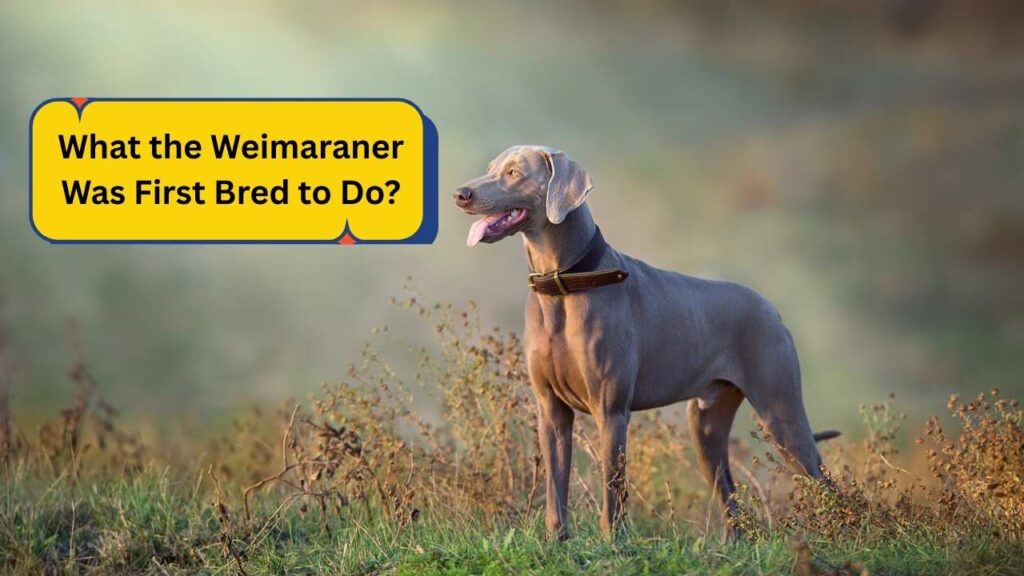

The Weimaraner is known today as a loyal, energetic, and people-focused companion, but this breed did not begin as a family pet. Its early purpose was very different, and that original role shaped the strong body, alert mind, and focused nature we still see today in homes around the world.
Understanding what a dog was first bred to do helps explain many of its natural behaviors. Energy level, awareness of surroundings, and the desire to stay close to people often connect directly to a breed’s original work rather than modern training alone.
Learning about the Weimaraner’s early role gives helpful insight for owners. It shows that many daily habits, such as curiosity, movement needs, and watchfulness, are not random actions but part of the breed’s long development over generations.
This background story helps us see the dog not only as a companion but as a breed shaped carefully for specific outdoor tasks that required both physical ability and steady cooperation with humans.
What the Weimaraner Was First Bred to Do
The Weimaraner was originally bred in Germany as a hunting dog, developed to help humans track and locate animals in outdoor environments that required patience and skill. Breeders focused on stamina, intelligence, and close cooperation with handlers during long hours of work.
These dogs were expected to move across forests, fields, and uneven land while staying calm, aware, and responsive to signals. Their job required both physical strength and mental attention at the same time.
These early responsibilities explain why the breed still shows strong energy, alertness, and a deep connection with people in everyday home life today.
A Dog Designed For the Hunt
The Weimaraner was developed during a time when hunting required teamwork between humans and dogs. Hunters needed a dog that could move quietly, follow scent trails, and stay alert without becoming overly excited or distracted by surroundings.
Breeding focused on creating a dog that could handle long hours outdoors without tiring quickly. Endurance, strength, and a steady temperament were important qualities that shaped the breed’s early development and made it dependable in demanding situations.
Tracking and Following Scent
One of the Weimaraner’s main early tasks was tracking, which meant using its strong sense of smell to follow scent trails left by animals across different types of land, sometimes for long distances.
- Tracking work involved:
- Using scent to locate animals even when trails became faint.
- Staying focused without losing direction or interest.
- Moving carefully without rushing or making unnecessary noise.
- Working in close partnership with human guidance.
This task required patience, concentration, and mental endurance. These traits still appear today when Weimaraners stay focused on activities, show strong curiosity about smells, or follow scents during walks.
Moving Across Difficult Land
Hunting often took place in forests, open fields, and rough terrain where footing could be uneven and distances long. The Weimaraner needed a body that could handle this environment without tiring too quickly or losing balance.
Their lean muscles, strong legs, and smooth stride helped them travel comfortably for long periods. Even now, many owners notice how naturally the breed enjoys running, exploring, and staying active outdoors.
Working Closely With Humans
The Weimaraner was not meant to work alone. Its role required staying connected with the hunter, watching for signals, and responding calmly without confusion. This built a natural habit of cooperation and attention to people.
This close partnership is one reason the breed forms strong bonds with family members today. Their desire to stay near people and be involved in daily life reflects this early teamwork.
A Calm but Alert Temperament
Early work required the dog to stay calm while remaining alert. Too much excitement could disturb animals, while too little focus could slow progress during long tasks.
| Early Requirement | Trait Seen Today |
|---|---|
| Quiet field work | Calm movement in many situations |
| Watching for signals | Strong attention to people |
| Long working hours | Ability to stay engaged in activity |
| Outdoor awareness | Alertness to surroundings |
These balanced traits helped the dog succeed in its tasks and still shape how the breed behaves in home life, where calm focus is often noticeable.
Strength Combined With Endurance
The breed’s early tasks were not short or easy. Hunting could last many hours, which required both physical strength and lasting energy without sudden exhaustion. This shaped the Weimaraner’s athletic but balanced build.
Today, this endurance shows in their need for regular movement. They often enjoy activities that allow them to use both speed and stamina in a steady way.
Why Intelligence Was Important
Hunting work involved changing situations, new environments, and different signals from humans. The dog needed to adjust quickly and respond correctly without panic or hesitation, which helped develop a sharp and responsive mind.
This intelligence appears today when the breed learns quickly, notices small changes, and stays aware of what is happening around them in daily life.
From Working Role to Modern Life
Although many Weimaraners now live as companions rather than working hunters, their original purpose still influences their daily habits. Energy, awareness, and strong bonding remain part of who they are even in calm home settings.
Providing regular activity, mental engagement, and time with people helps meet these natural needs, allowing them to adjust comfortably to family life.
What Their History Still Shows Today
Modern Weimaraners may not hunt, but their instincts still appear in small ways during everyday life, especially during walks or active moments outdoors.
- Owners often see:
- Strong interest in scents during walks
- Enjoyment of active outdoor time
- Close following of family members
- Alert reactions to sounds and movement
These behaviors are not random habits. They connect directly to the work the breed was originally developed to perform many years ago.
What This Background Helps You Understand
The Weimaraner was first bred as a hunting partner in Germany, shaped for tracking, endurance, awareness, and teamwork with humans over long periods of outdoor work.
Understanding this origin helps owners see their dog’s behavior with more patience and clarity. The past still influences the present, making this history useful, meaningful, and helpful in daily life.